Digital Transformation is a trend, a revolution reshaping how knowledge is created, shared, and experienced. Imagine classrooms without walls, where learning is personalised, immersive and accessible anytime, anywhere. From AI-powered tutors guiding students through complex concepts to data-driven insights empowering educators to tailor their teaching, technology is unlocking unprecedented potential. This transformation breathes life into research, collaboration, and administration, making institutions smarter and more agile. Digital Transformation in higher education is the bridge to the future where innovation meets opportunity, and every learner can thrive in a connected, dynamic world.
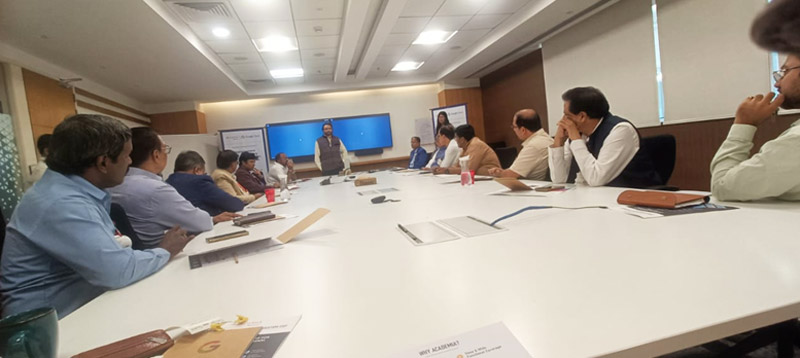
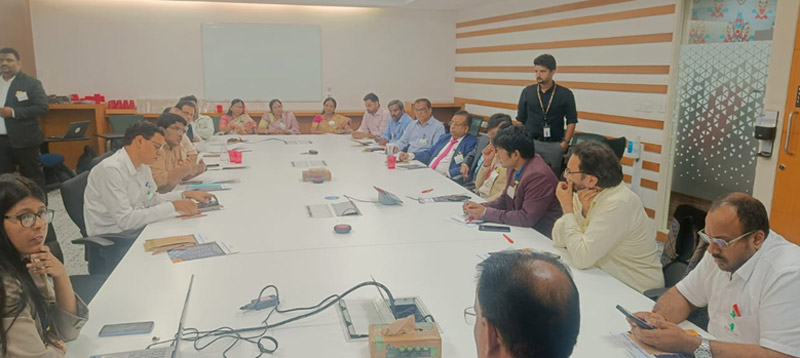
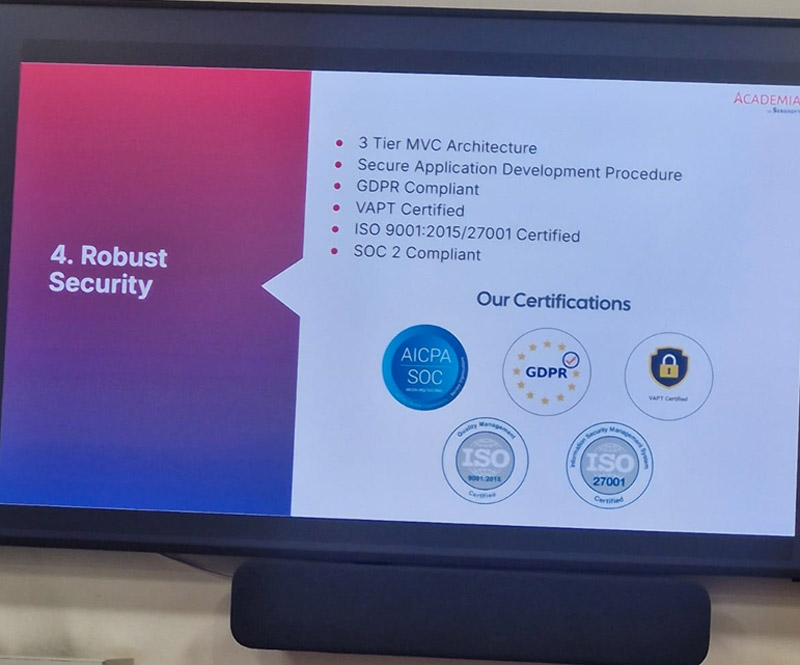
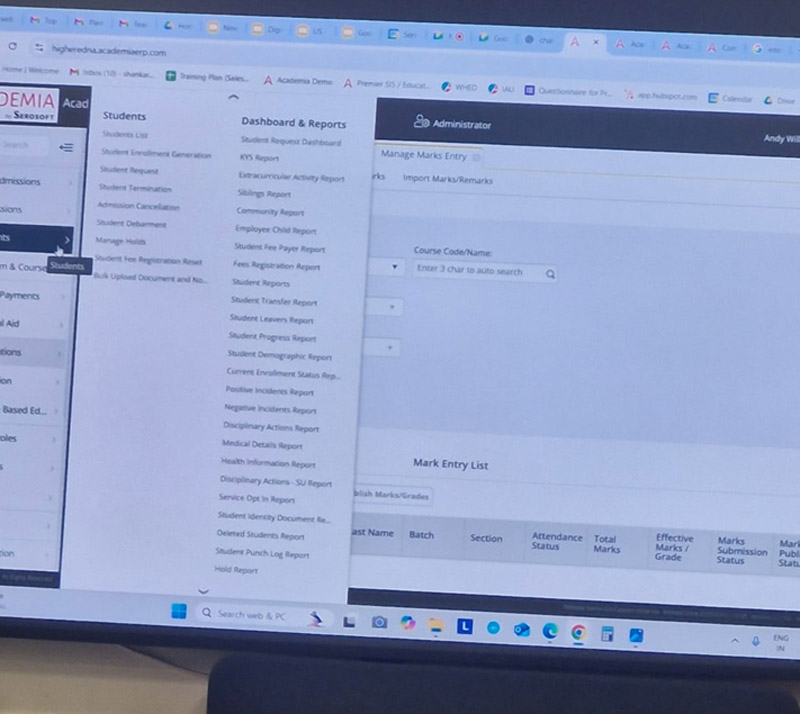
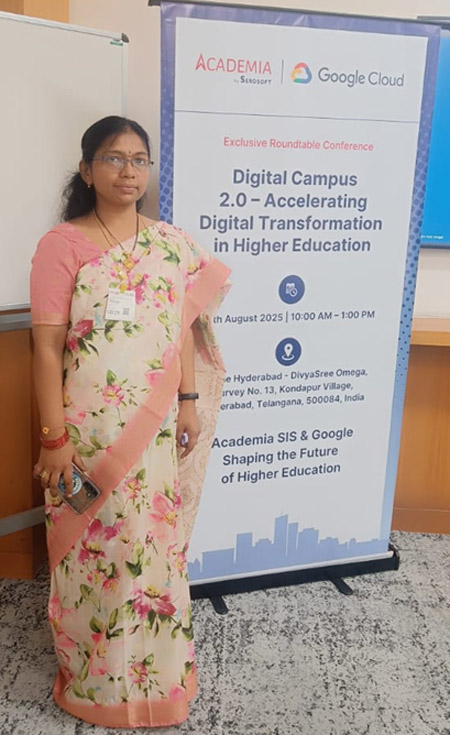
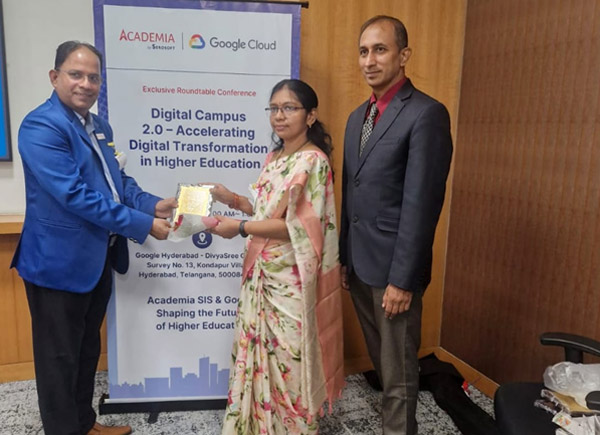
To enhance the experiences on Digital transformation, on 29th August, 2025, Serosoft, a leading student information system and Education ERP company, in collaboration with Google,hosted a Round table conference, where thought leaders and representatives from numerous higher education institutions across Telangana were invited to explore the future of digital integration in academia. A distinguished delegation from our institution—Dr. B. Madhu Bala, Professor and Head of Department; Dr. P. Shirisha, Professor and Head of Department and CS. V. Saisudha, Assistant Professor, participated in the Round Table Conference titled Digital Transformation 2.0 – Accelerating Digital Transformation in Higher Education. The conference was a forum for collaborative dialogue, focusing on the multifaceted opportunities and challenges that digital transformation introduces to higher education. Central to the discussions was the role of Artificial Intelligence (AI), its transformative potential, and the complex concerns it raises for students, faculty members, and working professionals alike.
Dr. B. Madhu Bala discussed a crucial insight that in an era dominated by digital innovation, creativity and innovative thinking are indispensable skills for both students and professionals. She cautioned that while AI can significantly boost efficiency and productivity, an overreliance on these technologies might jeopardize one's long-term employability. Dr. P. Shirisha further reinforced the call for creativity among students, emphasizing that nurturing inventive mindsets is key to thriving in the rapidly evolving educational and professional landscapes shaped by digital transformation.Echoing this sentiment, CS Saisudha. V drew attention to the rising issue of academic integrity in the digital age. She stressed the urgent need for effective mechanisms and tools to detect and prevent plagiarism in academic submissions.
Participants collectively agreed on the necessity of adopting AI with caution, guided by balanced policies and ongoing capacity-building efforts. Responsible integration of AI must prioritize societal benefit—empowering learners and educators while safeguarding core human competencies.This Round Table Conference reaffirmed the critical role of thoughtful, collaborative engagement in steering the course of Digital Transformation 2.0 within higher education, ensuring it serves as a catalyst for progress rather than a source of unintended consequences.